
A dedicated exercise mat can make it easier to create a consistent space for yoga, stretching, and selected floor exercises. It helps define your workout area and provides a surface that may feel more comfortable than a hard floor.
However, not every mat suits every activity. Thickness, material, texture, size, and ease of cleaning can all influence how a mat fits into your routine.
Understanding these features can help you choose a mat that suits your home, preferred exercises, and storage needs.
Consider the Exercises You Plan to Do
Think about how you intend to use your mat. Yoga, standing stretches, floor exercises, and seated movements can have different surface requirements.
If your routine includes balance-focused movements, you may prefer a mat that feels stable underfoot. For exercises performed on the floor, cushioning may be an important consideration.
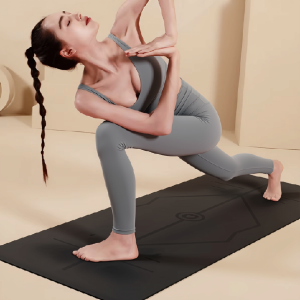
An anti-slip EVA yoga mat may suit selected home workouts, but always check the product specifications and use it on a clean, level surface.
Compare Thickness, Texture, and Material
Mat thickness can affect how the surface feels beneath your hands, knees, and feet. A thicker mat may offer additional cushioning, while a thinner option may provide a firmer connection to the floor.
Texture also matters. A surface with suitable grip can help you feel more secure during movement, although no mat can guarantee that slipping will never occur.
Consider the material and cleaning instructions before purchasing. Choose a mat that fits your activities and is practical to maintain.
Think About Space and Storage
Measure the area where you plan to exercise to make sure the mat fits comfortably. You should have enough surrounding space to extend your arms and legs without hitting furniture or other objects.
If you need to store your equipment after every session, consider how easily the mat can be rolled, carried, or placed in a cupboard.
Extra-thick yoga knee pads may also be worth considering for selected floor exercises when additional cushioning around the knees is helpful. Use them only for activities they are designed to support.
Keep Your Mat Clean and Ready to Use
Follow the manufacturer’s care instructions to clean and dry your mat. Allow it to dry fully before rolling it up, and store it away from excessive heat or direct sunlight if recommended.
Check the surface regularly for damage or wear. Replace the mat if it becomes difficult to keep clean or no longer provides a suitable exercise surface.
Preparing a space for movement? Visit Wellness Health N’ More to discover exercise mats and accessories for your personal workout area.


0 Comments